

The sharing economy has transformed the way we live, work, and interact with services, but behind the convenience lies a sophisticated web of AI systems driving these platforms. Balancing innovation and security with challenges of AI in the sharing economy is no longer a theoretical concern; it has become a critical strategic imperative.
Organizations are deploying AI to predict demand, personalize experiences, optimize resource allocation, and detect fraudulent activity. Yet, every technological advancement introduces new security considerations. The question is not whether AI can transform the sharing economy, but how companies can unlock its potential responsibly while protecting users and maintaining trust.
In this article, we explore how AI is reshaping the sharing economy, the security and governance considerations it introduces, and strategies to achieve the delicate balance between innovation and protection.
The Role of AI in the Sharing Economy
Artificial Intelligence is the backbone of modern sharing economy platforms. From ride-hailing apps to peer-to-peer accommodation, AI drives efficiency, personalization, and trust. Its influence can be seen in three primary areas:
- Personalizing User Experiences
AI algorithms analyze user behavior, preferences, and past interactions to deliver tailored recommendations. For example, platforms like Airbnb can suggest listings based on past stays, user ratings, and even local trends. This personalization enhances satisfaction, increases engagement, and builds loyalty. - Optimizing Resource Allocation
AI models can predict demand and adjust resources in real time. Ride-sharing services such as Uber and Lyft use AI to anticipate peak hours, allocate vehicles strategically, and minimize wait times. This optimization not only improves operational efficiency but also enhances user trust in the platform’s reliability. - Enhancing Trust and Safety
Trust is the currency of the sharing economy. AI plays a critical role in detecting fraud, verifying user identities, and monitoring behavior patterns for suspicious activity. Machine learning algorithms can identify anomalies, such as unusual booking patterns or fraudulent transactions, before they impact the user experience.
Recent research by McKinsey highlights that companies effectively leveraging AI for personalization and operational efficiency see up to a 20–30% increase in repeat engagement and customer retention.
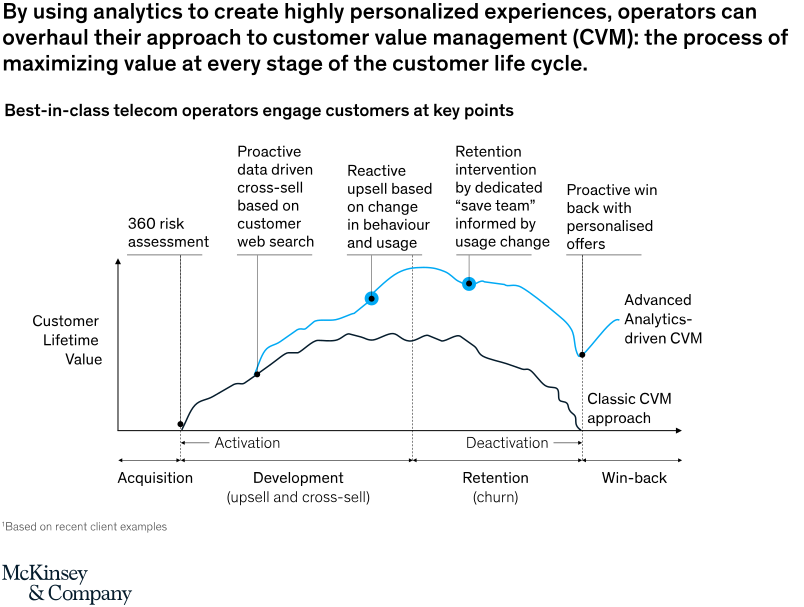
These capabilities show that AI is not just a technological enhancement; it is central to the very functioning and growth of the sharing economy. Yet, with these benefits comes the responsibility of managing security, privacy, and ethical considerations.
Emerging Security Considerations in AI-Driven Sharing Platforms
While AI offers tremendous opportunities in the sharing economy, it also introduces several critical security considerations that organizations must address proactively. Understanding these factors is essential for maintaining user trust and ensuring sustainable growth.
- Data Privacy and Protection
AI systems rely on vast amounts of personal data, ranging from payment information to behavioral patterns. Mishandling this data can lead to breaches, identity theft, and erosion of user confidence. Regulatory frameworks like the U.S. California Consumer Privacy Act (CCPA) and the European Union’s GDPR impose strict requirements for data handling, making compliance non-negotiable. - Algorithmic Bias
AI models can inadvertently perpetuate biases present in their training data. For instance, an AI-based rating system might favor certain demographics over others, creating unfair outcomes. Transparency and rigorous testing are essential to mitigate bias and ensure equitable treatment of all platform users. - Cybersecurity Threats
Sharing economy platforms are prime targets for cyberattacks, from adversarial inputs designed to fool AI models to model inversion attacks that extract sensitive data. Ensuring robust cybersecurity measures, including encryption, anomaly detection, and penetration testing, is critical to protect both the platform and its users. - Regulatory Compliance Complexity
Navigating evolving AI regulations is a challenge. Platforms must stay informed about local, national, and international requirements while aligning innovation efforts with legal obligations. This ensures not only compliance but also protects brand reputation. - Trust and Reputation Risks
Security lapses, even minor ones, can significantly undermine a platform’s credibility. Users expect both seamless experiences and protection of their personal information. Balancing operational efficiency with rigorous safeguards is therefore central to long-term success.
A 2025 report by the World Economic Forum underscores that companies integrating AI without clear security frameworks are at a higher risk of reputational damage and regulatory penalties.
Effectively addressing these considerations requires strategies that integrate security at every stage of AI deployment, which we’ll explore in the next section.
Strategies for Balancing Innovation and Security
Achieving the right balance between AI innovation and security is essential for sustainable growth in the sharing economy. Organizations must adopt proactive strategies that integrate security without stifling creativity or user experience.
- Implement Robust Data Governance
Clear policies for data collection, storage, and sharing are vital. Platforms should employ encryption, anonymization, and strict access controls to protect user data. Establishing a culture of data stewardship ensures compliance with regulations while maintaining user trust. - Develop Transparent and Explainable AI
AI models should be auditable and explainable. By making decision-making processes visible, organizations can detect biases, improve accountability, and build user confidence. Transparency also aids regulatory compliance, demonstrating responsible AI practices. - Employ Advanced Cybersecurity Measures
Cybersecurity must be integrated from the design phase. Platforms can use real-time anomaly detection, secure coding practices, and multi-layered defense systems to prevent attacks. Regular vulnerability assessments help maintain system integrity. - Continuous Monitoring and Evaluation
AI systems evolve. Continuous monitoring ensures performance remains optimal and vulnerabilities are addressed promptly. Regular audits of both data inputs and algorithm outputs help maintain fairness, security, and operational efficiency. - Collaborate with Regulators and Industry Experts
Working alongside regulatory bodies and industry consortia helps platforms stay ahead of legal changes and adopt best practices. Collaboration fosters trust, aligns innovation with ethical standards, and ensures compliance in complex regulatory environments. - Foster a Culture of Security Awareness
Employees play a critical role in safeguarding AI systems. Training staff on data privacy, AI ethics, and cybersecurity protocols reduces human error and reinforces organizational commitment to secure innovation.
By embedding these strategies into daily operations, sharing economy platforms can innovate confidently while protecting both users and the broader ecosystem.
Real-World Applications of AI and Security
Understanding how leading sharing economy platforms integrate AI with security measures can provide valuable insights for organizations navigating this space.
- Uber: AI-Driven Fraud Detection
Uber employs machine learning algorithms to analyze ride patterns and detect anomalies that may indicate fraudulent activity. By monitoring unusual routes, duplicate accounts, or abnormal payment behavior, Uber can proactively prevent fraud and maintain user trust. The company’s AI systems are continually refined through feedback loops, ensuring adaptive security that evolves alongside new threats. - Airbnb: Enhancing Trust Through Predictive Analytics
Airbnb leverages AI to monitor booking behaviors and identify suspicious patterns. For example, last-minute bulk bookings or mismatched user information trigger alerts for review. By combining AI insights with manual verification processes, Airbnb minimizes risk while maintaining a seamless experience for genuine users. This approach demonstrates that security does not have to come at the expense of usability. - Lyft: Blockchain and Transparency
Lyft has explored blockchain technology to create transparent and secure transaction records between riders and drivers. This innovation reduces the risk of fraud and enhances accountability, while AI continues to optimize ride matching and dynamic pricing. The integration of multiple technologies illustrates how security and innovation can coexist to strengthen platform credibility.
These examples demonstrate that platforms can successfully balance innovation and security by embedding AI-driven safeguards into operational workflows. Security becomes a feature, not an afterthought, allowing companies to scale confidently while maintaining user trust.
The Future Outlook
As the sharing economy continues to expand, the role of AI will only grow in sophistication and influence. Platforms will increasingly rely on advanced AI to predict user behavior, optimize resource allocation, and enhance trust, yet the stakes for security and ethical governance will rise in parallel.
- Evolution of AI Capabilities
Emerging AI technologies, such as generative models and advanced predictive analytics, will offer unprecedented personalization and efficiency. Platforms that integrate these capabilities responsibly can deliver superior user experiences while mitigating operational risks. - Strengthened Regulatory Landscape
Governments worldwide are accelerating the development of AI regulations. In the U.S., regulatory guidance is evolving to address algorithmic fairness, data privacy, and cybersecurity. Organizations that stay ahead of these changes will not only ensure compliance but also gain a competitive advantage by demonstrating commitment to responsible innovation. - Emphasis on Ethical AI
Ethical considerations will become a key differentiator in the sharing economy. Platforms that actively address algorithmic bias, transparency, and accountability will foster deeper trust with users. Ethical AI practices are no longer optional; they are essential to sustaining growth and platform reputation. - Collaborative Ecosystems
The future will favor platforms that engage in cross-industry collaborations. Partnerships with regulators, cybersecurity experts, and AI research institutions will provide insights into emerging threats and best practices. Collaboration ensures that innovation does not outpace the necessary safeguards.
The path forward is clear: balancing innovation and security in AI is not a static goal but an ongoing strategic commitment. Platforms that embed security into their innovation processes, continuously monitor AI systems, and align practices with ethical and regulatory standards will lead the sharing economy into a secure, prosperous future.
Responsible AI in the Sharing Economy
Balancing innovation and security is no longer an abstract concern; it is a strategic imperative for sharing economy platforms. As AI continues to transform the way we exchange goods, services, and experiences, organizations must embed security, transparency, and ethical practices into every layer of their operations.
By implementing robust data governance, adopting explainable AI models, strengthening cybersecurity, and collaborating with regulators, platforms can foster innovation while safeguarding users and their digital ecosystems. The companies that master this balance will not only maintain trust and compliance but also secure a competitive advantage in the rapidly evolving sharing economy.
The path forward requires vigilance, adaptability, and a commitment to responsible AI development. Platforms that integrate these principles today will define the secure, innovative, and user-centric sharing economy of tomorrow.
FAQs
- What does “balancing innovation and security” mean in the sharing economy?
It means deploying AI to enhance efficiency, personalization, and trust, while proactively protecting user data, ensuring compliance, and maintaining ethical standards. - How can sharing platforms protect user data while using AI?
Platforms can implement strong data governance, encryption, anonymization, and access controls, ensuring both regulatory compliance and user trust. - Why is algorithmic bias a concern for sharing economy AI?
AI models trained on biased data can produce unfair outcomes, affecting users’ experiences and potentially leading to reputational or regulatory risks. Transparent and auditable models help mitigate this risk. - What role do regulators play in AI-driven sharing platforms?
Regulators provide guidelines on data privacy, cybersecurity, and fairness. Collaboration ensures platforms comply with legal standards while responsibly innovating. - How can companies maintain security without slowing innovation?
By integrating security into AI development from the start, continuously monitoring systems, and adopting proactive governance strategies, platforms can innovate while minimizing risk.
Discover the future of AI, one insight at a time – stay informed, stay ahead with AI Tech Insights.
To share your insights, please write to us at sudipto@intentamplify.com.